
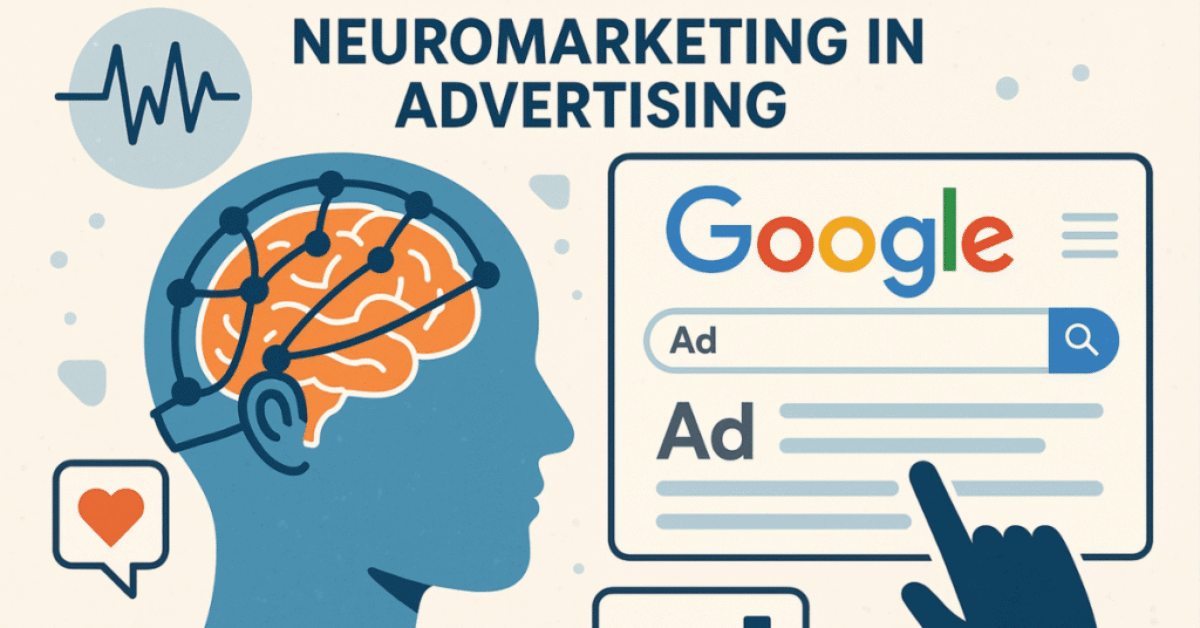
Digital Marketing with Neuromarketing: A Smarter Way to Influence User Decisions
Digital marketing with neuromarketing is changing how brands understand user behavior online. People think they make decisions logically, but most choices come from emotion, instinct, and fast reactions the brain makes on its own. When marketing aligns with these natural responses, results improve in a simple and powerful way.
Neuromarketing studies how the brain reacts to color, layout, sound, faces, storytelling, and even the order of information. When a brand uses these insights in digital campaigns, users feel more connected and more comfortable. This is what leads to better engagement and stronger conversions.
How Digital Marketing with Neuromarketing Builds Better User Experiences
Many users scroll quickly, skip ads, and ignore anything that does not create an instant reaction. Digital marketing with neuromarketing helps brands understand what captures attention in the first few seconds. It could be a certain image, a brighter color, a simple layout, or a headline that triggers curiosity.
This approach removes guesswork and helps you design content that feels natural. Instead of forcing users to pay attention, the experience quietly pulls them in. When a user feels understood, trust builds faster. Trust leads to action, and action leads to conversions.
Digital Marketing with Neuromarketing and the Key Factors That Influence the Brain
Here are the neuromarketing strategies that make the biggest impact in digital campaigns.
1. Predictable eye movement
The brain follows certain visual paths while reading or scanning a page. Placing headlines, CTAs, and important points along these natural paths helps users understand the message quickly without feeling overloaded.
2. Color based reactions
Colors trigger instant emotional responses. Blue builds trust. Red signals urgency. Green feels positive and fresh. Black gives a premium look. A few smart color choices can change how users feel about your brand within seconds.
3. Emotional storytelling
Stories activate more parts of the brain than plain text. People remember emotions more than information. When your content shares a relatable story, the brand becomes easier to trust and easier to remember.
4. Social proof
The brain feels safe when others approve something. Reviews, ratings, real customer images, and testimonials activate this comfort zone. This reduces doubt and helps users make a decision faster.
5. Simplicity and clarity
A clean layout reduces mental stress. When things are easy to read and clear to navigate, the user relaxes. A relaxed user stays longer, explores more, and converts better.
Why Brands Are Turning to Digital Marketing with Neuromarketing
This approach improves results because it focuses on real human behavior instead of assumptions. When content matches the way the mind actually works, users react instantly. They stay longer on the page, click more, and trust the brand faster.
Neuromarketing also reduces wasted spending. If your content resonates with the brain, ads perform better, landing pages convert more, and users take action with less hesitation.
It supports long term growth too. When people feel connected to a brand, they come back. They talk about it. They share it with friends. Loyalty grows naturally when emotions are involved.
Making Your Digital Strategy More Human
Digital marketing with neuromarketing is not about manipulating people. It is about respecting how the mind processes information. When brands create content that feels natural and meaningful, users enjoy the experience. They feel understood, and that understanding shapes stronger relationships.
If your brand wants to stand out in a competitive market, combining creativity, data, and psychology can help you build campaigns that feel more human and more effective.
Conclusion
Digital marketing with neuromarketing gives brands a strong advantage because it focuses on how people genuinely think and feel. When your content matches natural human behavior, users respond without hesitation. They trust faster, stay longer, and remember the brand more clearly. This method works because it blends science with creativity. It helps you design campaigns that feel natural instead of forced. Users enjoy the experience, and this enjoyment leads to better conversions.
Brands that use neuromarketing strategies also save time and resources. Instead of guessing what might work, they rely on real patterns of attention, emotion, and decision making. This creates long term growth because people feel emotionally connected. When users relate to a brand, they support it, talk about it, and keep coming back. If you want your digital strategy to stand out in a busy online space, using psychology with marketing is one of the smartest steps you can take.
If you need more blogs like these, check out our website!


